If every walk involves being pulled towards other dogs, interesting smells, or whatever catches your dog's attention, keeping the lead relaxed can feel difficult. Pulling is common because dogs naturally explore at their own pace and may not understand that walking on a lead requires a different approach.
Rather than simply trying to hold your dog back, it helps to identify why they are pulling and teach them what to do instead. The right equipment can also support training, so owners choosing a dog lead should consider comfort, control, and the type of walking they usually do.
What causes dogs to pull on the lead
Dogs do not automatically understand that they should walk beside a person without creating tension on the lead. Pulling often develops because moving forwards gets them closer to something they want.
Several factors can contribute to the behaviour.
Excitement and eagerness to explore
Walks provide dogs with new smells, sights, people, and other animals. An excited dog may naturally move faster than its owner, particularly at the beginning of a walk.
Young dogs can be especially eager to investigate their surroundings. If pulling repeatedly allows them to reach an interesting smell or object, the behaviour can become reinforced.
Lack of lead training
Loose lead walking is a skill that usually needs to be taught. A dog that has never been shown how to walk calmly beside someone may simply continue moving at its preferred pace.
Training helps the dog understand that staying close and keeping the lead relaxed allows the walk to continue.
Differences in walking pace
Dogs often have a naturally faster walking pace than people. They may also stop frequently to sniff before quickly moving towards the next interesting area.
Teaching loose lead walking helps create a pace that works for both the dog and the person holding the lead.
Fear or discomfort
Dogs do not always pull because they want to reach something. Some may pull away from loud traffic, unfamiliar people, other dogs, or situations that make them feel uneasy.
In these cases, the pulling is linked to discomfort rather than excitement. Recognising this difference can help you respond appropriately instead of treating every instance of pulling in the same way.
Why lead pulling can become a habit
Pulling can become established when it repeatedly produces the result the dog wants.
For example, a dog notices an interesting tree and pulls towards it. The owner follows, allowing the dog to reach the tree. From the dog's perspective, pulling worked.
Repeating this pattern can strengthen the behaviour. Training therefore needs to show the dog that a relaxed lead is what allows progress to continue.
Consistency is important because changing the rules from one walk to another can make learning harder.
How to stop a dog pulling on the lead
Improving lead walking usually requires patience and regular practice. Training in simple environments first can make the process easier.
Start somewhere with fewer distractions
Begin in a quiet garden or a street where your dog can concentrate.
Walk a short distance and reward your dog when the lead remains loose. Once your dog begins to understand what you want, gradually practise in busier surroundings.
Reward calm walking
Positive reinforcement can help your dog understand which behaviour you want repeated.
Reward your dog when they walk beside you or keep the lead relaxed. Food rewards can be useful during early training, although praise and permission to sniff can also work as rewards.
The timing matters. Give the reward while your dog is displaying the behaviour you want.
Stop when the lead becomes tight
If your dog pulls forwards, stop walking rather than allowing the pulling to take them towards their destination.
Wait until the lead becomes loose again before continuing. Over time, your dog can begin to learn that pulling stops progress while calm walking allows it.
Change direction when necessary
Changing direction can encourage your dog to pay closer attention to your movement.
If your dog repeatedly rushes ahead, calmly turn and walk in another direction. Reward them when they follow you without pulling.
Avoid sudden movements that could create unnecessary pressure on your dog's neck or body.
Keep training sessions manageable
Long training sessions can become frustrating for both owner and dog. Short periods of focused practice are often easier to manage.
You can also allow time for relaxed sniffing during the walk. Dogs benefit from exploring their environment, so loose lead training does not need to mean walking directly beside you every second.
Choosing the right lead and harness
Once you have a consistent training approach in place, it is worth looking at the equipment you use on everyday walks. A suitable lead or harness can make handling easier while your dog practises walking without constant tension.
-
Fixed-length leads: These can work well for everyday walking and loose lead training because they provide predictable control and keep the distance between you and your dog consistent.
-
Longer leads: These can give your dog greater freedom in suitable open spaces, particularly when practising recall or allowing supervised exploration.
-
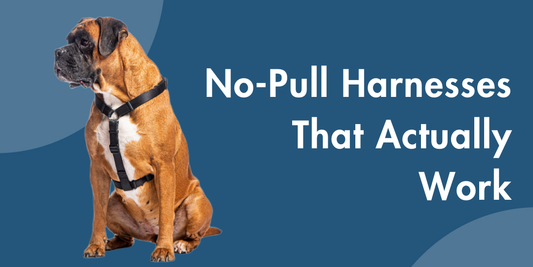
Well-fitted harnesses: A properly fitted dog harness can help distribute pressure across the body rather than concentrating it around the neck. It should support training rather than replace it.
The best dog leads are those that suit your dog's size, strength, walking style, and usual walking environment.
Making walks more enjoyable
Loose lead walking develops through clear expectations, consistent practice, and suitable equipment. Giving your dog opportunities to sniff and explore can also help walks remain interesting while training continues.
Choose walking equipment that suits your dog's size, comfort, and daily routine. If you are looking to buy dog leads online, ePaws offers a range of options designed for different dogs and everyday walking needs.