








What Makes Good small animal Bedding
Not all bedding is equal, and the right choice depends on your pet and their specific needs. The most important qualities to look for are absorbency (to keep the cage floor dry and reduce ammonia build-up), softness (to be gentle on sensitive feet and skin), and low dust content (to protect small animals’ respiratory systems, which can be vulnerable).
Many small animals — particularly hamsters, gerbils, and mice — also love to burrow, and a deep layer of appropriate bedding allows them to express this natural behaviour fully. Providing enough depth for burrowing is one of the most enriching things you can do for burrowing species. Nesting material added on top gives them the opportunity to build and arrange a sleeping area to their own specifications — something that visibly delights most small rodents.
Our Range & Stock Types
Our small animal bedding collection covers the core bedding and nesting options for a comfortable, hygienic small animal home.
• Substrate Bedding: The main layer of bedding that lines the cage floor, providing insulation, absorbency, and a burrowing medium. Options include paper-based, wood-based, and hemp bedding in a range of pack sizes to suit different cage sizes and cleaning frequencies.
• Nesting Material: Soft, pull-apart nesting material that small animals use to build and line their sleeping area. Particularly enjoyed by hamsters, mice, and gerbils, who are enthusiastic nest builders. Always choose dust-free, pet-safe nesting material to avoid respiratory issues.
• Hay: An essential bedding and foraging material for rabbits and guinea pigs, who should have unlimited access to hay at all times. Hay supports digestive health, helps wear down continuously growing teeth, and provides burrowing and foraging opportunities.
-
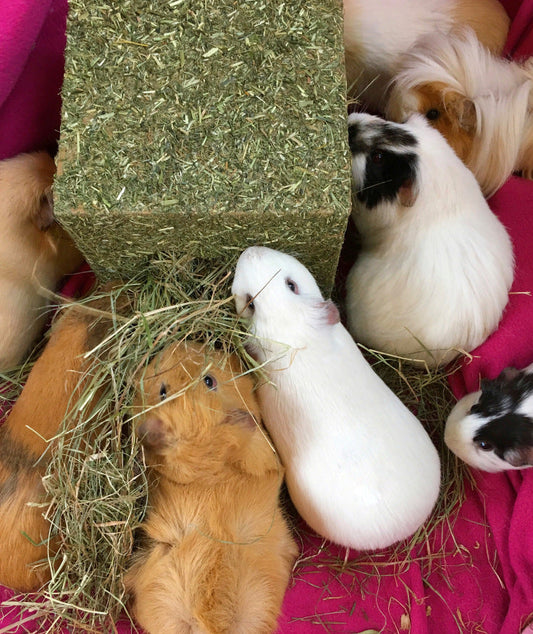
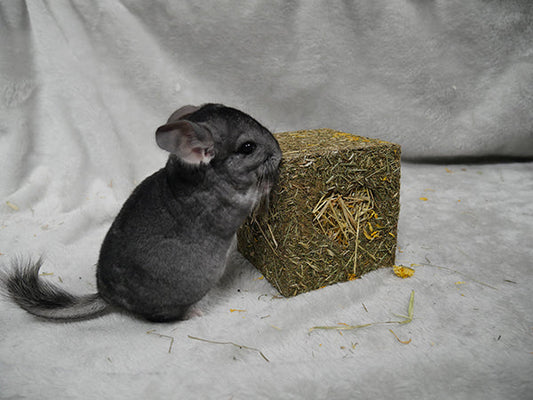
Rosewood I Love Hay Cube Small Animal Treat - Medium
Regular price £5.39Regular priceUnit price per£5.99Sale price £5.39Sale -
Rosewood I Love Hay Cube Small Animal Treat - Large
Regular price £8.09Regular priceUnit price per£8.99Sale price £8.09Sale -
Rosewood Soft and Safe Bedding For Small Animals And Birds
Regular price £1.58Regular priceUnit price per£1.75Sale price £1.58Sale -
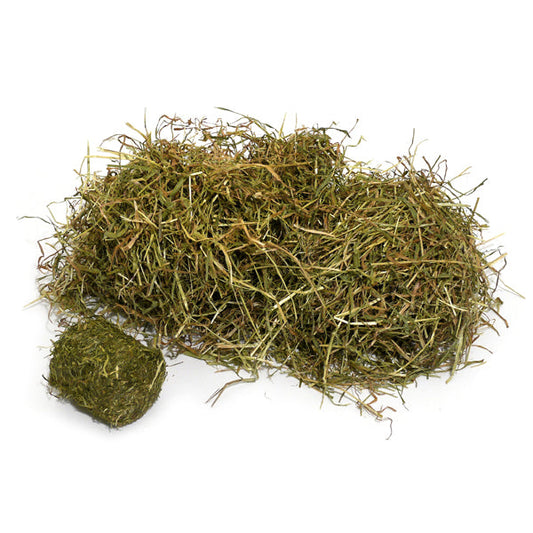
Rosewood Meadow Small Animal Hay Bales-1kg
Regular price £5.92Regular priceUnit price per£6.49Sale price £5.92Sale -
Rosewood Naturals Soft And Safe Small Animals Bedding Pods
Regular price £2.73Regular priceUnit price per£2.99Sale price £2.73Sale -
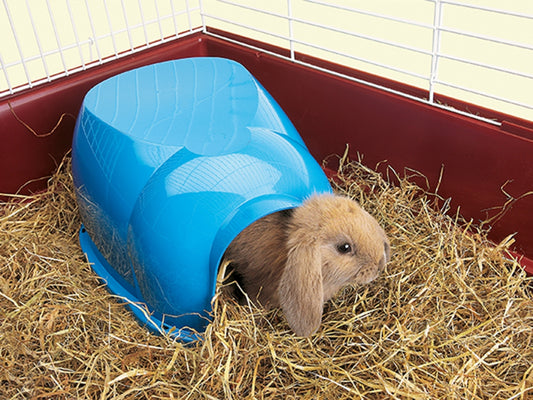
Savic Cocoon Hideaway for Small Animals- assorted colours
Regular price £10.99Regular priceUnit price per
Frequently asked questions
We suggest spot-cleaning daily by removing soiled bedding and fully changing it weekly. Regular cleaning keeps the cage fresh, prevents odors, and maintains a healthy environment for your small animal.
Yes, you can find eco-friendly bedding made from recycled paper, hemp, or sustainably sourced wood shavings. These materials are biodegradable and safe, helping you reduce environmental impact while keeping your pet comfortable.
Look for bedding that is soft, warm, absorbent, and easy to clean. It should also be safe and non-toxic to prevent irritation or health issues for your small animal.
While some bedding types like paper-based materials are suitable for all, rabbits often benefit from more absorbent and thicker bedding. Always consider your pet’s specific needs for warmth and comfort when selecting bedding.
Natural bedding like wood shavings or hay offers biodegradability and warmth, while synthetic bedding such as paper pellets tends to be dust-free and highly absorbent. Choosing depends on your pet’s needs and your preference for ease of cleaning.
Materials that are absorbent and clump well, like paper pellets, simplify cleaning by containing moisture and odors. Bedding that doesn’t stick to the cage or your pet also reduces cleaning time.
Yes, paper-based and recycled pellet bedding absorb moisture well and help control odors. Regular cleaning combined with these materials keeps the cage smelling fresh.
Strong odors, dampness, or visible soiling indicate it’s time to change bedding. Prompt replacement prevents health issues and keeps your pet comfortable.
The best options soft, absorbent bedding like paper-based or aspen shavings for guinea pigs. These materials provide warmth and comfort while being safe and easy to clean, ensuring a healthy environment for your pet.
Safe bedding for hamsters includes paper-based, hemp, or aspen shavings, which are soft and non-toxic. Avoid cedar or pine shavings as they can cause respiratory issues for small animals like hamsters.
Paper-based bedding and recycled paper pellets often offer a cost-effective solution without compromising on softness or absorbency. These options are easy to clean and provide good warmth for your guinea pig.
Hypoallergenic options like paper-based or hemp bedding reduce dust and allergens, making them ideal for sensitive guinea pigs. Avoid aromatic woods like cedar or pine, which can trigger respiratory problems.
For hamsters, we recommend changing bedding once a week, while guinea pig bedding should be refreshed every 3 to 5 days. Regular changes maintain hygiene and prevent unpleasant smells in their cages.