

















Why Exercise Matters for Small Pets
Small rodents are hardwired for movement. Hamsters in particular are crepuscular animals — most active at dawn and dusk — and in the wild, Syrian hamsters have been documented travelling up to eight miles in a single night in search of food. Providing adequate opportunity for exercise is not just about keeping your pet entertained; it is directly connected to their physical health, digestive function, and mental wellbeing.
Exercise balls allow small animals to explore a wider area safely without the risk of them disappearing behind furniture, chewing electrical cables, or coming into contact with other household pets. Sessions should be supervised and time-limited — typically 15 to 20 minutes — to avoid overexertion, particularly in warm conditions.
Our Range & Stock Types
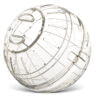
Our small animal exercise balls collection offers clear, size-appropriate options to suit different species and cage setups.
• Standard Exercise Balls: Clear plastic balls in sizes suitable for hamsters, gerbils, and mice. The clear design allows your pet to see where they are going and lets you keep an eye on them during their exercise session.
• Size Options: Available in different diameters to suit the species you keep. It is important to choose the correct size — a ball that is too small forces a small animal to arch their back unnaturally during use, which can cause discomfort over time. Check the recommended species guide on each product listing before purchasing.
-
 4 for 3 - Get 1 Free
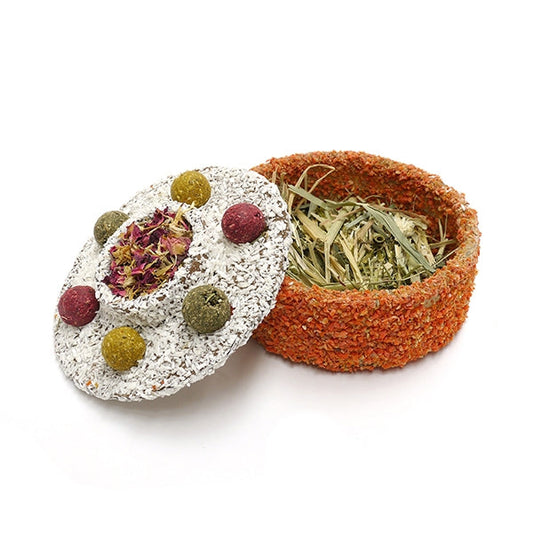
Rosewood Grainless Nibble Small Animal Treat Pots
Regular price £1.64Regular priceUnit price per£1.75Sale price £1.64Sale -
Savic Sputnik XL Small Animal House - Black Grey
Regular price £7.28Regular priceUnit price per£8.79Sale price £7.28Sale -
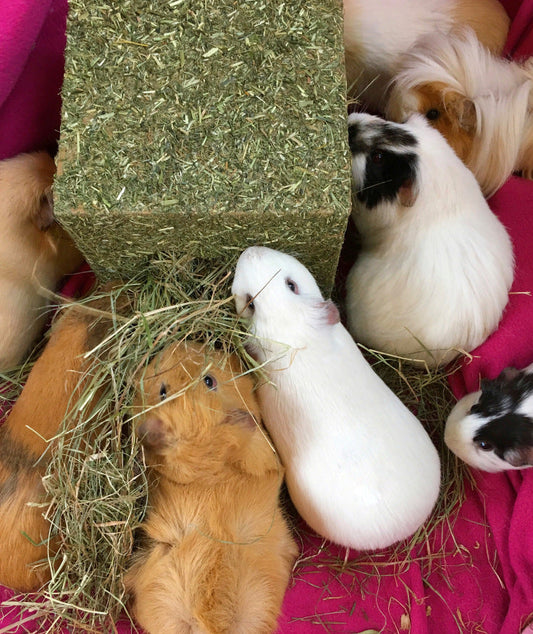
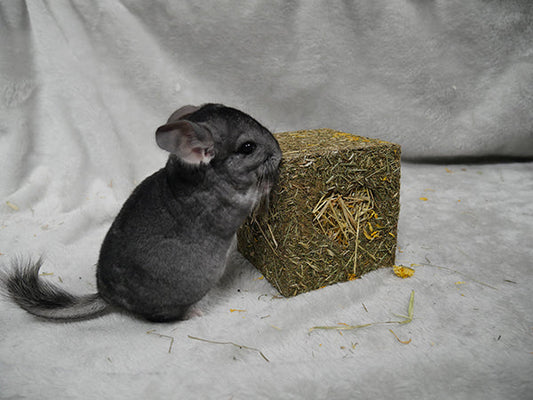
Rosewood I Love Hay Cube Small Animal Treat - Medium
Regular price £5.39Regular priceUnit price per£5.99Sale price £5.39Sale -
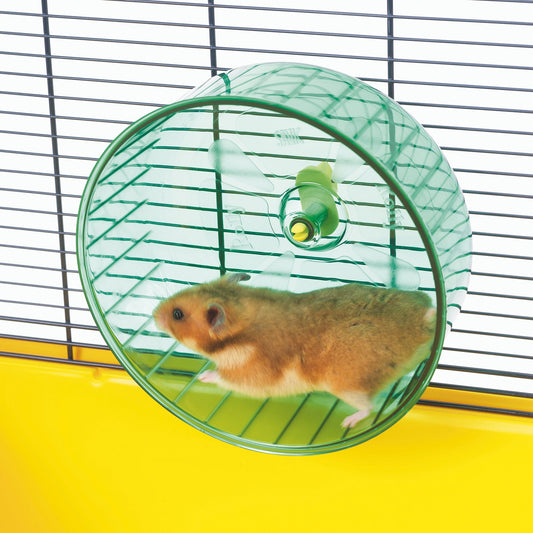
Savic Rolly Small Hamster Wheel - 14cm
Regular price £3.55Regular priceUnit price per£4.25Sale price £3.55Sale -
Savic Rolly Jumbo Hamster Wheel - 18cm
Regular price £5.07Regular priceUnit price per£5.99Sale price £5.07Sale -
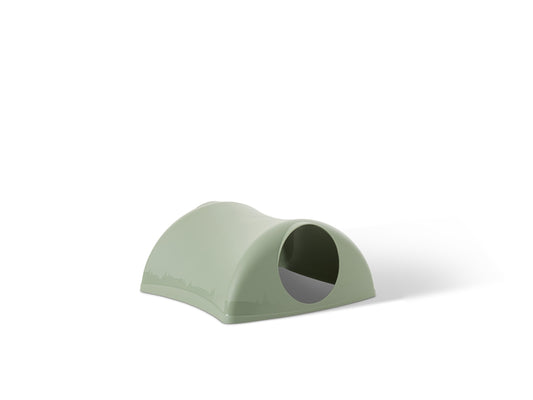
Savic Rody Small Animal Tunnel
Regular price £8.35Regular priceUnit price per£9.75Sale price £8.35Sale -
 4 for 3 - Get 1 Free
Rosewood Naturals Herbs Small Animal Treat and Supplement- 500g
Regular price £4.53Regular priceUnit price per£4.75Sale price £4.53Sale -
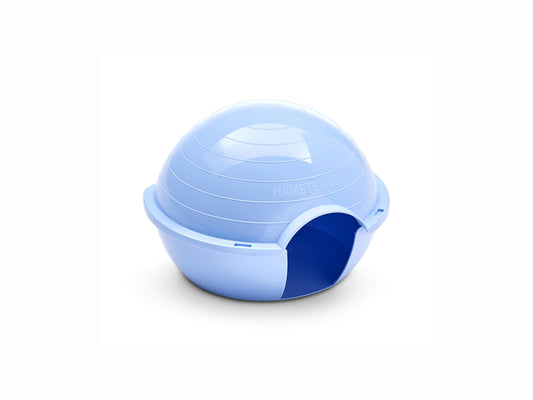
Savic Hamster Iglo Small Animal Hideaway
Regular price £2.95Regular priceUnit price per£4.25Sale price £2.95Sale -
 4 for 3 - Get 1 Free
Rosewood Dandelion Delight Small Animal Treat - 100g
Regular price £3.57Regular priceUnit price per£3.74Sale price £3.57Sale -
Rosewood I Love Hay Cube Small Animal Treat - Large
Regular price £8.09Regular priceUnit price per£8.99Sale price £8.09Sale -

 4 for 3 - Get 1 Free
Savic Runner Small Animal Exercise Ball - Medium (18cm)
Regular price £6.98Regular priceUnit price per£7.49Sale price £6.98Sale -

 4 for 3 - Get 1 Free
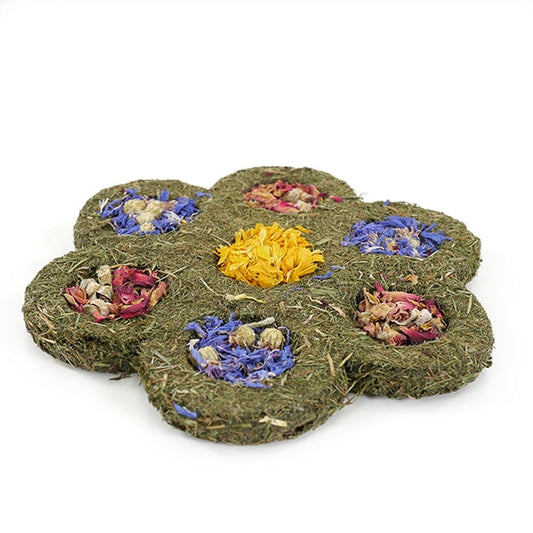
Rosewood Flower and Forage Blossom Small Animal Treat
Regular price £3.83Regular priceUnit price per£4.25Sale price £3.83Sale -
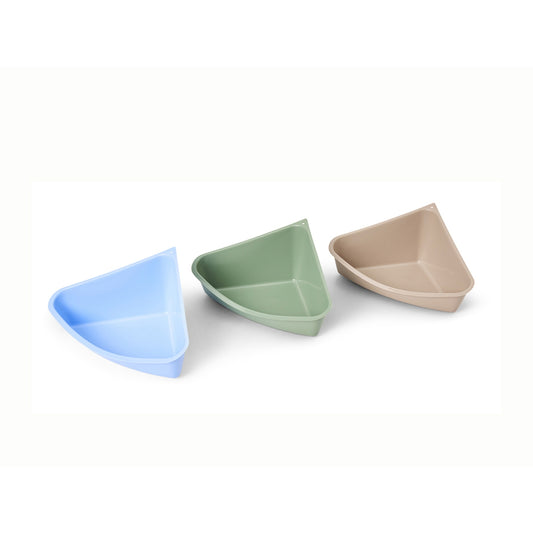
Savic Rody Small Animal Corner Toilet
Regular price £6.03Regular priceUnit price per£6.99Sale price £6.03Sale -
Rosewood Naturals Strawberry Small Animal Treat Sticks 2 Pack
Regular price £3.00Regular priceUnit price per -
Rosewood Carrot Cottage Small Animal House -Large
Regular price £13.17Regular priceUnit price per£14.49Sale price £13.17Sale -

 4 for 3 - Get 1 Free
Rosewood Small Animal Celebration Birthday Cake
Regular price £6.99Regular priceUnit price per -
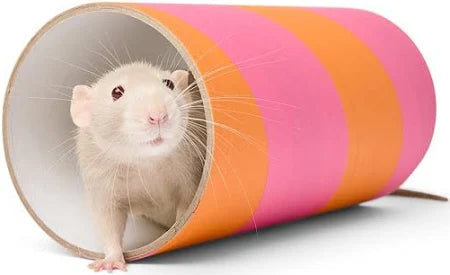
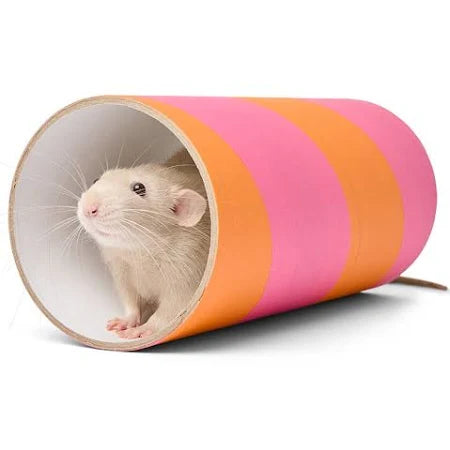
Rosewood Medium Rat Chew Tube
Regular price £3.00Regular priceUnit price per -
Rosewood Carrot Cottage Small Animal House -Medium
Regular price £8.62Regular priceUnit price per£9.49Sale price £8.62Sale -
Willow Sticks Small Animal Treat
Regular price £3.16Regular priceUnit price per£3.99Sale price £3.16Sale -
 4 for 3 - Get 1 Free
Rosewood Fields of Gold Herbs Small Animal Treat -350g
Regular price £5.84Regular priceUnit price per£6.49Sale price £5.84Sale
Frequently asked questions
When selecting an exercise ball, consider your pet’s species, size, and activity level. Look for sturdy, well-ventilated balls that fit your pet comfortably and allow gentle movement without risk of injury or escape.
Exercise balls offer small rodents mental stimulation and gentle physical activity, helping to prevent boredom and promote healthy exercise. They can enrich your pet’s environment by encouraging exploration in a safe, controlled way.
Exercise balls can be used outdoors only in safe, enclosed areas free from hazards and predators. Outdoor use should be brief and supervised to protect your pet from environmental risks.
Guinea pigs generally should not use exercise balls because their size and body structure make it difficult for them to move comfortably inside. Instead, we recommend other forms of gentle movement and enrichment tailored to their needs to ensure safety and mental stimulation.
We suggest limiting exercise ball sessions to 10-15 minutes once or twice a day to prevent stress and fatigue. Always supervise your pet during use to ensure safety and comfort.
Look for durable, well-ventilated balls with secure locking mechanisms and smooth interiors. The ball should be the right size for your pet to move comfortably without risk of injury or escape.
Hamster exercise balls can provide gentle movement and mental stimulation when used correctly, but they must be the right size and used under supervision. Improper use or prolonged time inside can cause stress or injury, so we advise careful monitoring and limited sessions.
For hamsters, a ball around 7 to 8 inches in diameter is usually ideal, allowing enough space for comfortable movement without being too large. Choosing the correct size ensures your hamster can exercise safely and enjoyably.
Alternatives include supervised free-roaming in secure playpens, tunnels, wheels designed for small animals, and interactive toys that encourage natural behaviours. These options provide enrichment and exercise without the risks associated with exercise balls.
Introduce the ball gradually by placing your pet near it and allowing them to explore at their own pace. Start with short supervised sessions to build comfort and confidence before longer use.
Supplies like tunnels, chew toys, climbing structures, and safe bedding complement exercise balls by providing varied physical and mental stimulation. Combining these enrichments creates a more engaging environment for your pet.
No, guinea pigs should not use hamster exercise balls as they are too small and can cause injury or stress. Instead, provide guinea pigs with appropriate accessories that support their size and natural behaviours.
Exercise balls encourage exploration and physical activity in a controlled environment, stimulating your pet’s mind and body. This enrichment helps prevent boredom and supports overall health.
Always supervise your pet during use, ensure the ball is the correct size, and limit session length to prevent overheating or injury. Check the ball regularly for damage and use it on flat, safe surfaces.
Yes, exercise balls vary in size and design to suit different species like hamsters or gerbils. Always choose a ball appropriate for your pet’s size and species to ensure safe and effective exercise.